The afternoon sun hits the upper tiers of the ancient stone structures, filtering down through the thick, interlocking canopy of the Angkor Wat forest. Out here, the roots of giant banyan trees wrap so tightly around the temple walls that it is impossible to tell where the nature ends and the monument begins. They are separate organisms, yet they share the exact same soil, bound together by centuries of growth and adaptation. Standing along the shaded dirt pathways, watching a gentle breeze sway the highest branches, one is reminded of a different kind of deeply interconnected network—the historic and complex family tree that unites the sovereign lines of Europe.
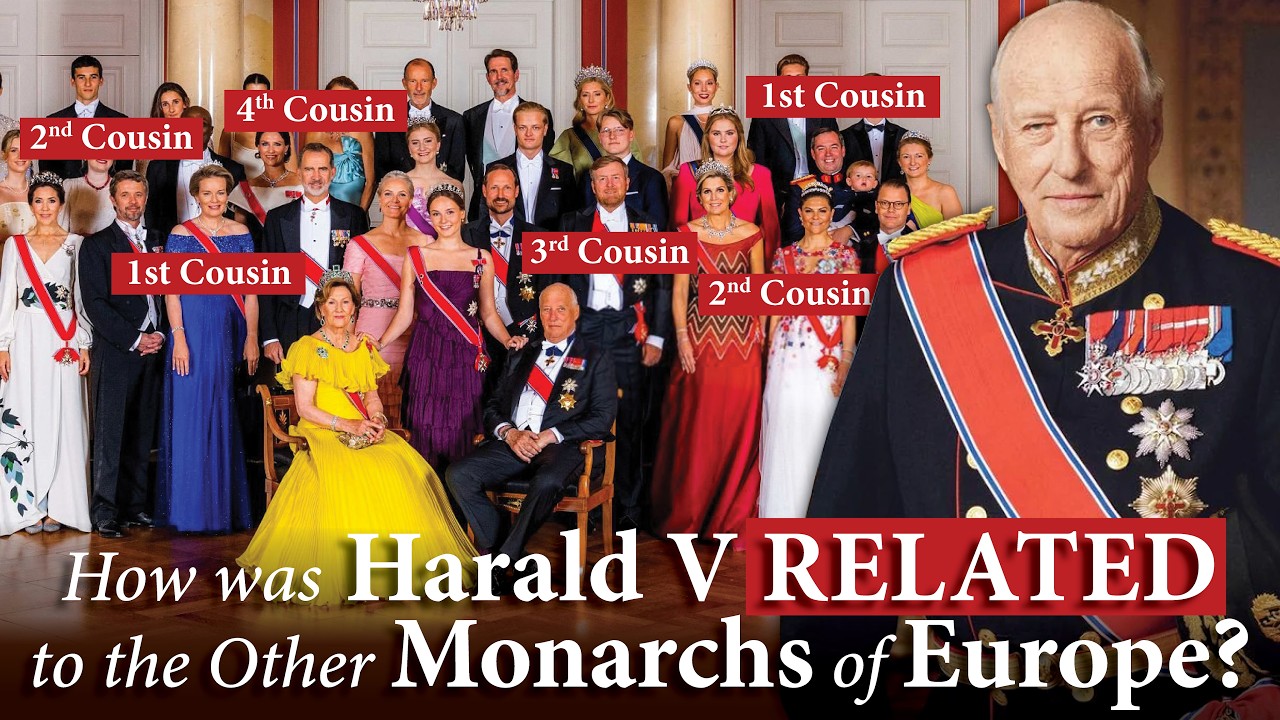
This shared ancestry became profoundly visible during the gathering in Oslo for the funeral of King Harald V of Norway (0:17). To the casual observer, the assembly of leaders appeared as a formal meeting of distinct nations. However, for those looking closer, it was a quiet, deeply personal farewell among close relatives (0:25). The late Norwegian monarch shared a common lineage with all nine hereditary rulers across the European continent, from King Philippe of Belgium to King Charles III of the United Kingdom (1:21). Walking through the quiet paths of Angkor, where every stone gate echoes decisions made by rulers long gone, the universal reality of dynasty and genetic legacy feels incredibly near.
For centuries, European royal houses moved in a very small circle, exchanging brides and signing alliances to protect their status (0:42). This history left a permanent mark on modern succession, tying distant thrones together through shared DNA (1:11). King Harald’s maternal lineage connects directly to the Danish and Swedish crowns, making the current leaders of those realms his close cousins (1:30). Sitting on a weathered stone block near the temple perimeter, listening to the soft murmur of distant travelers, the human element behind these titles becomes clear. Beyond the constitutional duties and public appearances, these families carry a shared history of personal loss, wartime separation, and quiet survival.
As the daylight fades into a soft golden hour across the Cambodian forest, the enduring strength of these historical bonds remains evident. The modern rules of leadership have changed, and the younger generation looks far beyond traditional circles to build their lives (1:02). Yet, the foundation built by their ancestors continues to hold the structure together, much like the ancient roots supporting the heavy stones of Angkor. For the American audience, looking at this intricate web of connection offers a rare, observational glimpse into the profound reality of a family history that has managed to shape the modern world while remaining anchored to its deep, historical roots.