Sandra Bullock’s rise in Hollywood stands as a testament to her versatility, resilience, and relatable charm, qualities that have allowed her to captivate audiences across several decades. She first gained widespread attention in the late 1980s and early 1990s, steadily building momentum through roles that revealed both her comic instincts and her ability to remain grounded within larger-than-life stories. Performances in films such as Demolition Man and Speed established her as far more than a conventional leading lady. Her quick wit, emotional accessibility, and natural screen presence made her an ideal fit for fast-moving blockbusters, where she could bring warmth and personality to even the most intense situations. In Speed, especially, Bullock transformed what might have been a straightforward action role into a memorable portrait of courage, humor, and ordinary determination under extraordinary pressure. These early performances demonstrated that she could balance suspense with comedy while maintaining a believable connection with the audience. As her profile grew, she became one of the rare stars capable of moving easily between action, romance, comedy, and drama without losing the approachable quality that defined her appeal. Her ascent was not built solely on glamour or spectacle, but on the feeling that viewers could recognize something authentic in her characters. That combination of strength, vulnerability, and humor helped cement Bullock as a dependable leading presence and laid the foundation for one of Hollywood’s most enduring careers.

As her career matured, Sandra Bullock began to pursue roles that offered greater emotional depth and a wider range of human experience. Moving beyond the high-energy action films that had first established her as a major star, she embraced more intimate dramatic material in projects such as Hope Floats and 28 Days. These performances revealed a different side of her screen presence, one defined less by momentum and spectacle than by vulnerability, regret, resilience, and the difficult process of rebuilding a life. In Hope Floats, Bullock brought warmth and quiet strength to a woman returning home after personal disappointment, allowing the character’s uncertainty and emotional recovery to unfold with honesty. In 28 Days, she explored the consequences of addiction and self-destructive behavior, portraying a woman forced to confront the habits and defenses that had shaped her choices. The role required both humor and emotional exposure, qualities Bullock balanced with remarkable naturalness. This period demonstrated that she was unwilling to remain confined to a single genre or familiar screen persona. Rather than relying only on the charm and comedic timing that had already made her successful, she actively sought material that challenged her and expanded the audience’s understanding of what she could do. These choices reflected a clear artistic ambition and helped protect her from typecasting. More importantly, they established her as an actress capable of carrying stories built not only around action or romance, but around emotional transformation, personal accountability, and the quiet courage required to begin again.

The 2000s marked a defining period of recognition, reinvention, and professional triumph for Sandra Bullock. Already established as one of Hollywood’s most dependable stars, she continued to dominate popular cinema through romantic comedies such as Miss Congeniality and The Proposal, where her sharp timing, physical comedy, and natural warmth made even familiar genre conventions feel fresh. These films strengthened her reputation as a performer capable of combining glamour with an approachable, self-aware charm that audiences found instantly relatable. At the same time, Bullock began taking on projects with greater dramatic weight. Her performance in the ensemble drama Crash, which later won the Academy Award for Best Picture, demonstrated her willingness to participate in challenging stories centered on prejudice, fear, and social division. The decade reached its most celebrated point with The Blind Side in 2009. Portraying Leigh Anne Tuohy, Bullock delivered a confident and emotionally direct performance that earned her the Academy Award for Best Actress. The achievement confirmed what her career had already suggested: she was not limited to comedy, romance, or action, but capable of commanding serious dramatic material as well. By the end of the decade, Bullock had evolved from a beloved commercial star into one of the industry’s most respected and versatile leading performers.
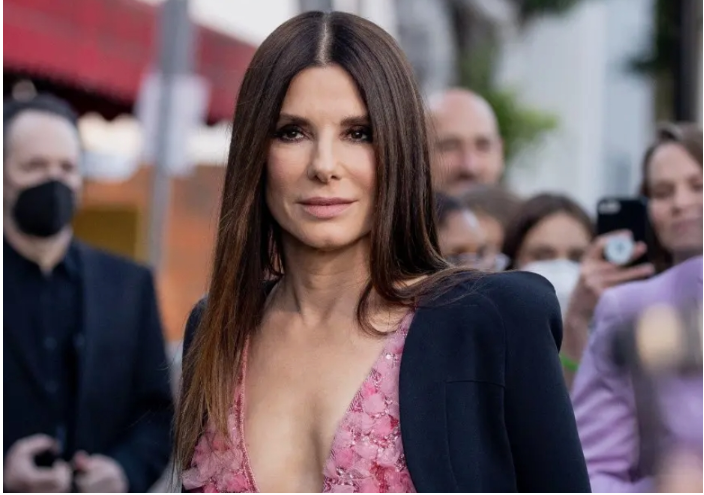
Away from the screen, Sandra Bullock has maintained a grounded and approachable public image that stands in sharp contrast to the glamour and constant attention surrounding Hollywood. Despite decades of fame, she has often protected her private life, allowing sincerity, humor, and personal integrity to shape the way audiences perceive her. Her dedication to family has become one of the most meaningful parts of her public story, particularly through her openness about adoption and the transformative experience of motherhood. Bullock has spoken about the responsibility, joy, and emotional depth that raising her children brought into her life, presenting motherhood not as an extension of celebrity but as a deeply personal commitment. Her willingness to discuss the realities of building a family has resonated with many people and added another dimension to her already relatable presence. Beyond her personal life, her charitable efforts and support for communities affected by tragedy have reinforced an image of compassion expressed through action rather than publicity. She rarely appears interested in turning generosity into spectacle, preferring a quieter approach that reflects the same humility seen throughout her career. This balance between public success and private purpose has allowed fans to connect with Bullock as more than an accomplished performer. She represents a form of stardom grounded in empathy, resilience, and the understanding that a meaningful legacy is shaped not only by memorable films, but also by the care extended to family, friends, and people in need.
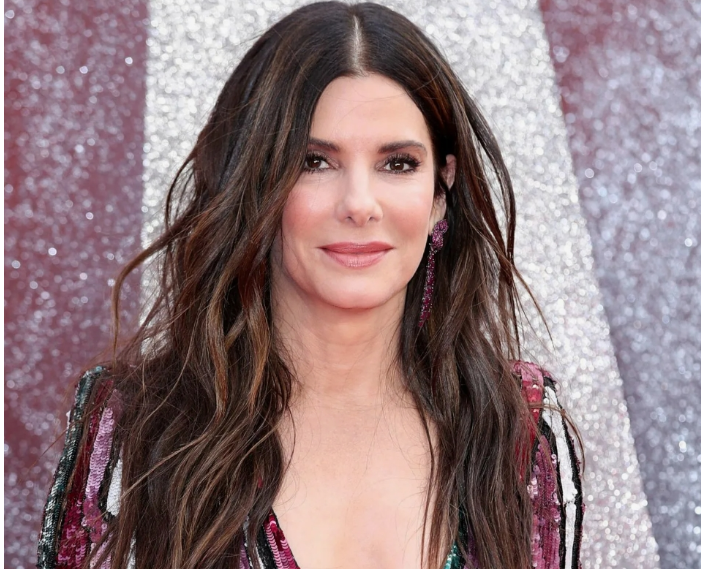
Sandra Bullock’s enduring success can be attributed to her remarkable adaptability and genuine spirit. Whether captivating audiences with her comedic timing, delivering powerful dramatic performances, or simply being her authentic self off-screen, she has consistently evolved without losing the essence of what makes her so beloved. Her journey reflects not only a career filled with milestones, but also a life marked by purpose, growth, and an unwavering connection with audiences around the world.