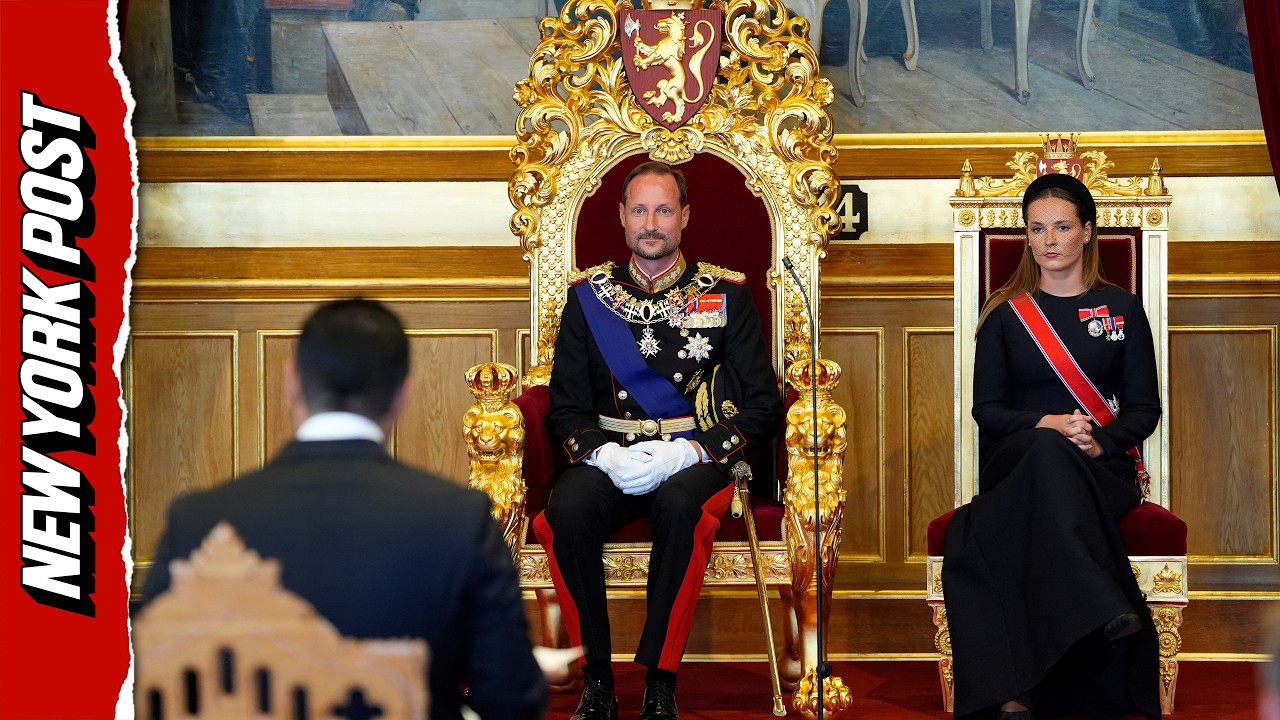
The heavy, humid air of the Angkor Wat forest thin out as a rare, ceremonial silence falls over the ancient stone terraces. Inside a beautifully restored pavilion draped in royal insignias, a historic transition is taking place. King Haakon stands before a gathering of global representatives and traditional elders to take his solemn oath. Following the passing of his beloved predecessor, the weight of a nation’s future now rests upon his shoulders. Observing this moment from the edge of the stone gallery feels less like watching a political event and more like witnessing a timeless ritual of duty, continuity, and profound personal sacrifice.
The new monarch speaks with a voice that carries both the grief of a grieving son and the steady resolve of a leader ready to serve. His words echo through the high-ceilinged stone chamber and drift out into the surrounding jungle, where centuries-old trees stand as silent witnesses. There is no loud cheering or grand fanfare; instead, a deep, respectful quiet envelops the room. To an outsider, the emotional undertone is immediately clear: this is a moment where personal life ends, and absolute devotion to a country begins. The visible emotion on the faces of the attendees bridges the gap between different cultures, uniting everyone in shared reverence.
Stepping into this role requires navigating the complexities of modern governance while respecting the deep-rooted traditions of the past. The transition is smooth but carries an undeniable emotional weight. As the King finishes his pledge, sealing his commitment to the constitution and the people, a gentle breeze rustles through the surrounding banyan leaves (3:14). It feels like a shared sigh of relief and hope—a quiet, powerful reminder that while leaders change, the core values of unity, resilience, and heritage remain completely unbroken.