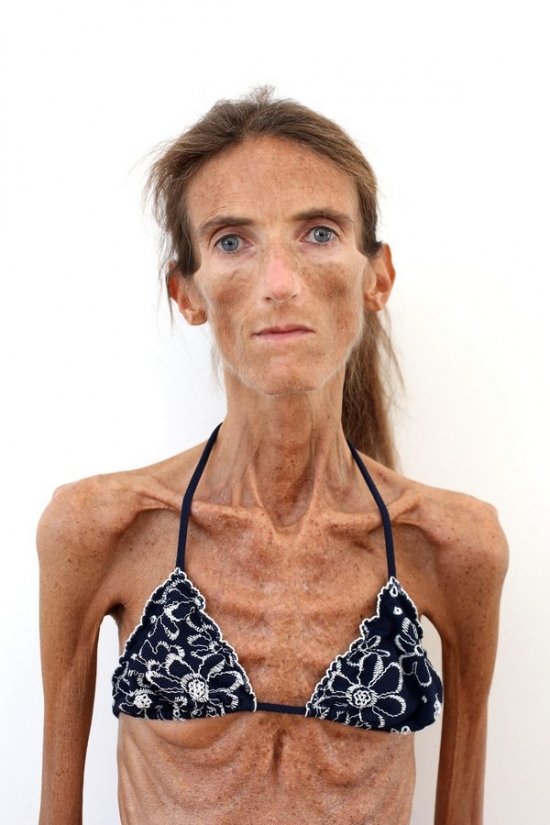
Her “Before and After” Transformation Left People Speechless — But There’s a Much Deeper Message Behind Photos Like This
Before-and-after photos are designed to make us compare. Two images are placed side by side, and within seconds the viewer starts searching for changes in the face, body, posture, clothing, or expression. That reaction is almost automatic. But when a transformation involves major physical change, the most important part of the story may be exactly what a photograph cannot show.
The main image published with the original article. A photograph alone cannot explain a person’s health or circumstances.
Why Before-and-After Photos Can Be Misleading
Social media has made transformation pictures extremely familiar. They often invite viewers to treat one image as a starting point and the other as a result. That simple format can be powerful, but it can also flatten a complicated human story into a visual comparison.
The original source uses dramatic photographs to make a broader point: an image cannot tell us why someone’s body changed. A person may be dealing with a medical condition, recovering from an illness, living through stress, receiving treatment, or experiencing circumstances that are not visible to strangers. Without reliable context, it is not appropriate to diagnose someone or assume what happened simply by looking at them.
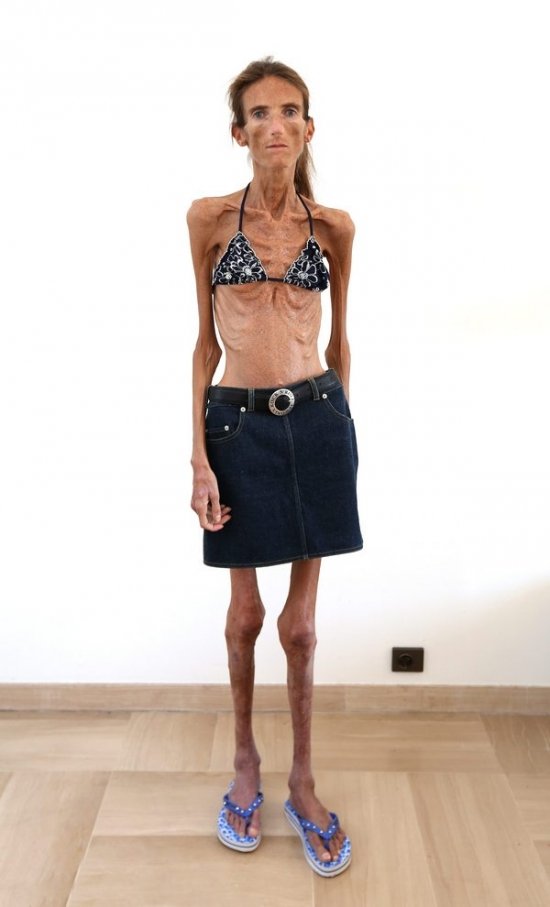
One of the photographs included in the source. The article does not provide enough verified information to identify a diagnosis from the image.
A Smaller Body Is Not Automatically a Sign of Success
One of the strongest assumptions built into many transformation posts is that becoming smaller must always represent improvement. That idea is not reliable. Health cannot be reduced to body size, and people can experience serious physical or psychological difficulties at many different sizes.
There are also documented recovery stories in which a person’s body changes while they are receiving support for an eating disorder or another health problem. In those situations, the visible change is only one small part of a much larger process involving medical care, emotional recovery, nutrition, relationships, and daily life.
That is why responsible discussion should avoid praising one body shape over another. What matters is not whether someone looks closer to an online ideal, but whether they are receiving appropriate care and able to live with greater stability and well-being.
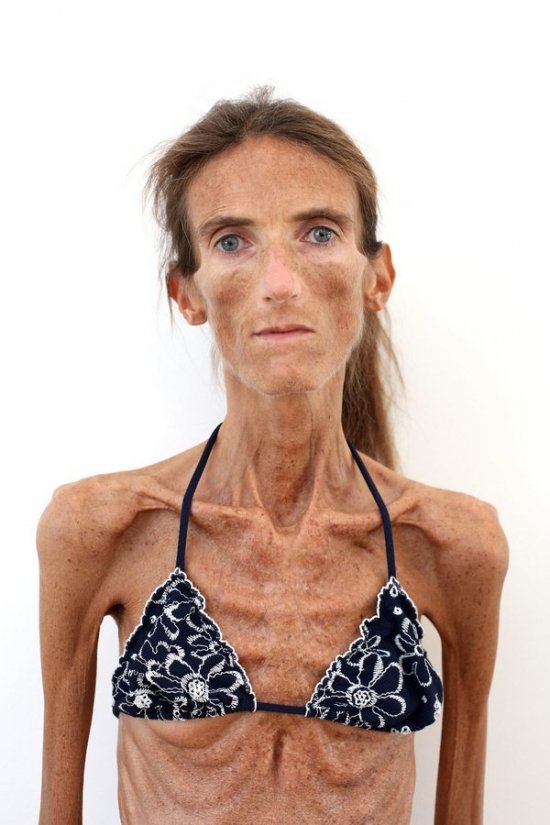
A close portrait from the source article. Appearance alone cannot reveal a person’s health history.
The Camera Shows Appearance, Not the Full Story
A photograph can capture color, shape, lighting, clothing, and expression. It cannot directly show blood tests, medical history, mental health, energy levels, relationships with food, or what support a person may be receiving. Those invisible factors can matter far more than the visual difference between two pictures.
This is especially important when an image goes viral without its original context. A repost may remove the photographer, date, caption, interview, or explanation that once accompanied it. After enough sharing, people may begin inventing a story around the image because the real one is no longer available.
The source article itself makes this caution clear: it does not provide a verified identity or confirmed medical history for the person shown. That means the photos should not be treated as proof of a specific diagnosis or recovery story.
Recovery Cannot Be Measured From a Photograph
When someone is genuinely recovering from an eating disorder or another serious health issue, progress is rarely captured by one dramatic moment. Treatment can involve medical professionals, psychological support, nutritional rehabilitation, family involvement, and a great deal of time.
Recovery also does not always move in a straight line. There can be better days and harder days, and the most meaningful changes may be invisible. A person may become less anxious around meals, regain concentration, reconnect with friends, return to school or work, or become less controlled by harmful routines. None of those changes can be measured reliably by comparing two photographs.
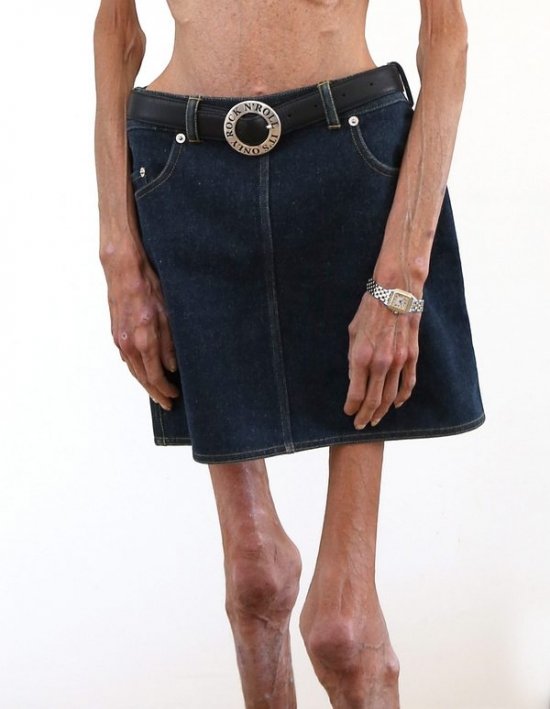
A detail image from the source. Visual differences should not be used as a substitute for medical information.
Why Transformation Images Get Such Strong Reactions
Part of the reason these posts spread so quickly is that the human brain is very good at noticing differences. When two pictures are placed together, we immediately compare proportions, facial features, posture, clothing, and background. The more dramatic the contrast, the more likely the image is to stop someone from scrolling.
Social platforms also reward content that produces an instant emotional reaction. A surprising image can attract comments and shares before anyone checks where it came from. That creates an environment in which speculation can travel faster than verified information.
A more useful response is to slow down the judgment. Instead of asking which photograph looks “better,” it is better to ask whether the story is verified, whether the person has explained the change themselves, and whether the post respects their dignity.
The Problem With Judging Health by Appearance
People frequently make assumptions about health based on what they can see. Someone may be labeled healthy, unhealthy, disciplined, careless, strong, or weak from a single image. Those labels can be inaccurate and unfair.
Health is influenced by many factors, and only qualified professionals with appropriate information can assess an individual medical situation. Even then, an assessment involves far more than appearance. Online viewers do not have that information, so confident conclusions based on a photo should be treated with caution.
The same principle works in both directions. A person should not be criticized for being larger, and a person should not be praised simply for becoming smaller. Neither judgment tells us what is actually happening in their life.
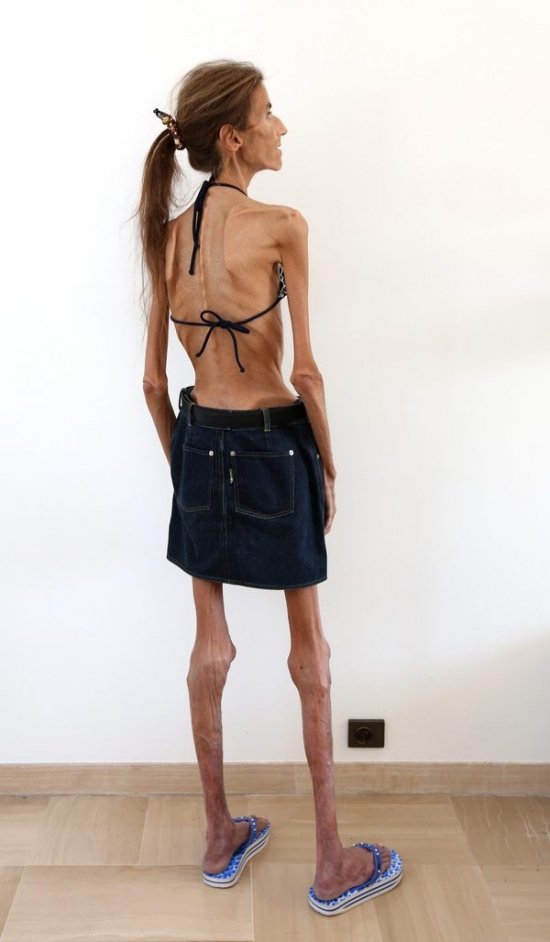
The final source image. The article’s broader message is to avoid reducing a person to a visual comparison.
There Is a Person Behind Every Viral Image
Transformation photos can become detached from the people in them. Once an image is widely shared, strangers may discuss a person’s body as though it were simply an object for public analysis. That can erase the fact that the subject is a real person with privacy, relationships, feelings, and a life beyond the picture.
Responsible coverage should keep that human context in view. It should avoid mocking appearance, inventing diagnoses, or presenting a particular body type as a goal everyone should pursue. It should also distinguish clearly between what is verified and what is only speculation.
A Better Way to Read Before-and-After Posts
The deeper message behind images like these is not that one side of the comparison deserves praise and the other deserves criticism. It is that photographs are incomplete evidence. They can show that something looks different, but they cannot explain why it changed or what that change meant to the person involved.
When a genuine recovery story is being told, the most meaningful part may be a change in daily life rather than a change in appearance. When the original story is unknown, the safest conclusion is even simpler: do not invent one.
Before-and-after images may always attract attention because visual contrast is powerful. But a thoughtful response goes beyond the first reaction. Health, recovery, and personal well-being are more complicated than two photos placed side by side, and no person’s story should be reduced to a comparison of bodies.