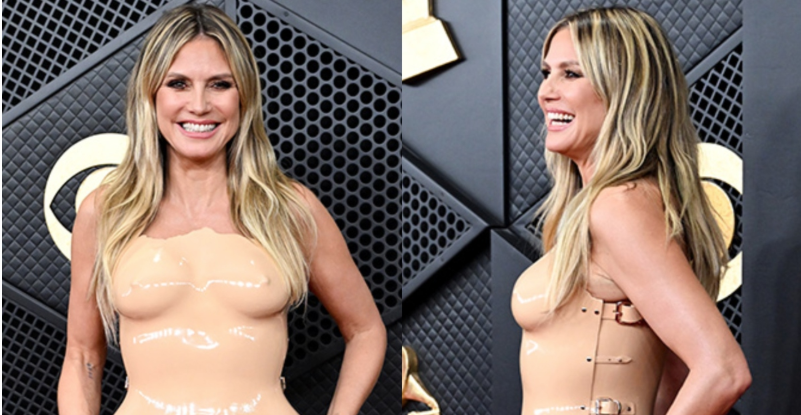
The kinetic energy of the 2026 Grammys had already reached a dazzling fever pitch inside and around the Crypto.com Arena, with flashes erupting across the carpet and the usual parade of carefully engineered glamour unfolding in full force. Yet the atmosphere did not truly shift until Heidi Klum arrived. Some entrances register as elegant, others as dramatic, but hers felt like an event with its own pulse, as if the red carpet briefly reorganized itself around her presence. Stepping forward in a custom Marina Hoermanseder creation, she did not simply wear a dress so much as inhabit a sculptural statement. It was less an outfit than an anatomical event, a piece that seemed to explore structure, silhouette, and performance all at once. Every detail of the look carried intention, turning fabric, contour, and movement into a kind of visual theater. Klum, long fluent in the language of spectacle, understood exactly how to animate such a design. She moved with the confidence of someone who knows that fashion at this level is not only about beauty, but about tension, timing, and the ability to command a room before saying a word. On a night built around excess, artistry, and identity, her appearance cut through the noise with remarkable precision. It reminded everyone watching that true red carpet impact comes not just from wearing something bold, but from possessing the presence to transform couture into a living performance.
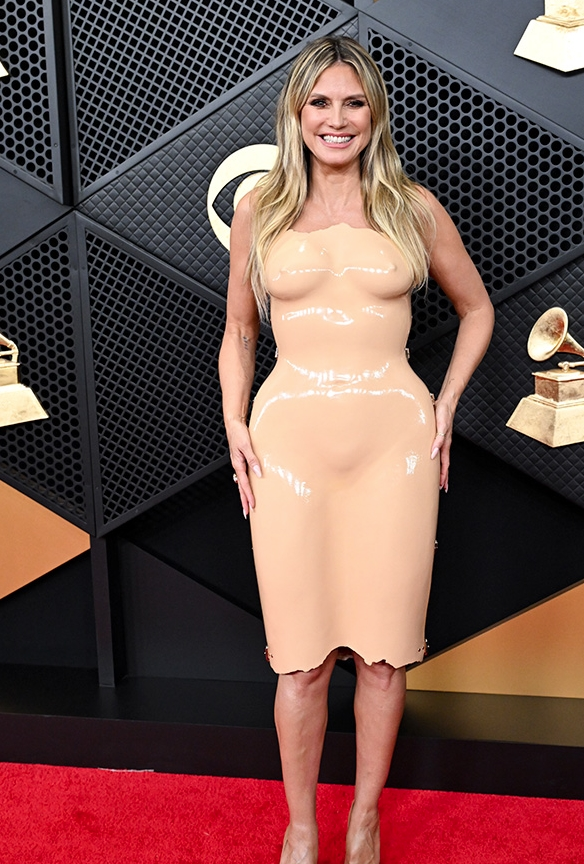
Crafted from stiff, lacquered leather that had been molded from a 3D scan of her own frame, the piece functioned less like a conventional gown and more like a provocative second skin. Its sharply defined structure transformed the familiar idea of the “naked dress” into something far more daring and conceptually charged. With hyper-real abdominal contours, a sculpted faux belly button, and a silhouette that seemed to blur the boundary between body and garment, Heidi Klum did not simply step onto the carpet in fashion—she entered as a kind of living sculpture. The effect was deliberately disorienting, inviting the eye to question where anatomy ended and design began. Rather than relying on sheer fabric or illusion alone, the look pushed the red carpet into a more experimental territory, where clothing became commentary on form, performance, and the spectacle of the body itself. Heidi carried it with the assurance of someone fully aware of the visual shock such a piece would create. That confidence was essential, because a design this unusual could easily have overwhelmed its wearer. Instead, she animated it, giving the lacquered structure movement, attitude, and theatrical force. In doing so, she elevated the outfit beyond novelty. It became a bold meditation on image-making, celebrity, and the way fashion can reshape the body into an art object. On a carpet already crowded with glamour, Heidi’s look stood apart because it did not merely reveal the body; it reimagined it.
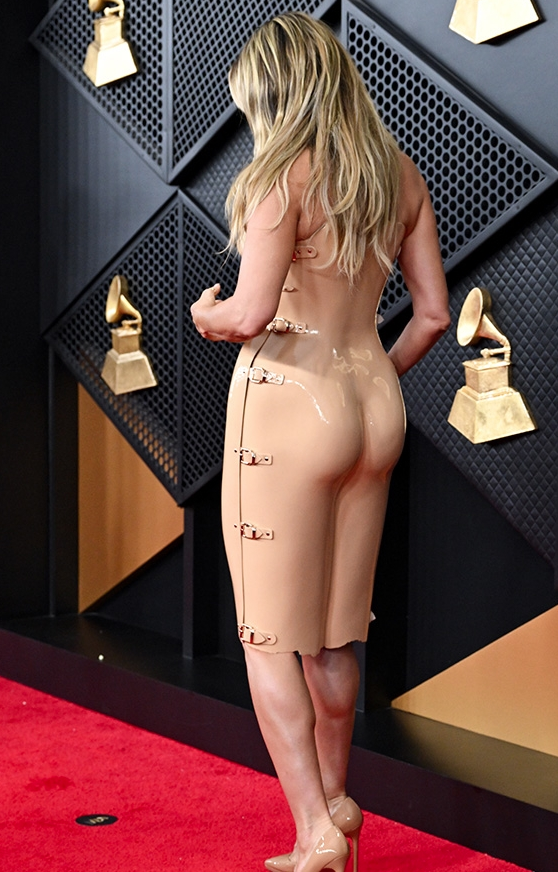
The night’s glamour, however, came with a gritty and almost comic dose of physical sacrifice. The rigid leather construction, reinforced by industrial side buckles and sculpted closely around Heidi Klum’s body, made sitting down less of an inconvenience than a mechanical impossibility. Every step across the carpet required concentration, balance, and a willingness to surrender ordinary movement in the name of spectacle. Instead of sweeping forward with the effortless stride expected of a red-carpet veteran, she was reduced to careful “baby steps,” moving in a cautious shuffle that only made the look feel more theatrical. Yet rather than appearing frustrated, Heidi seemed to embrace the absurdity of the situation, joking that she would be giving a “standing ovation all night.” The line perfectly captured her understanding of fashion as performance: discomfort was not an unfortunate side effect, but part of the story. For someone who has built a career on bold transformation, visual risk, and an instinctive grasp of how to create a memorable image, comfort was always going to come second to impact. The dress demanded patience, control, and a sense of humor, and Heidi supplied all three. In the end, the restricted movement only reinforced the power of the appearance. She was not simply wearing an impractical garment; she was committing fully to an idea, proving that in the shock-and-awe school of celebrity branding, visibility often requires sacrifice, discipline, and the courage to look extraordinary while feeling anything but comfortable.
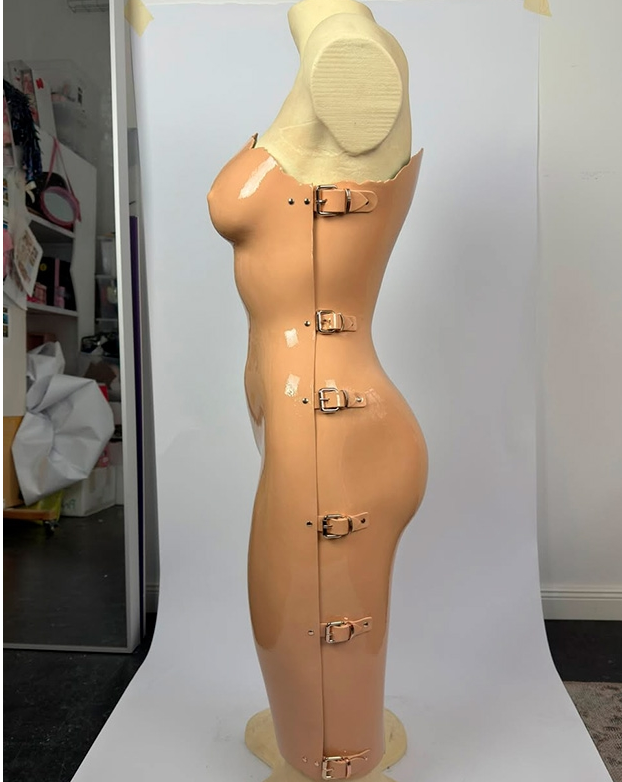
Of course, the internet’s reaction was swift and unsparing, with detractors comparing Heidi Klum’s sculpted leather look to everything from “liquid wax” and “cheese fondue” to the textured rubber of a sterile glove. The jokes spread quickly, reducing months of technical construction and artistic intention into a stream of memes, punch lines, and split-second judgments. Yet that very intensity proved the design had succeeded on its own uncompromising terms. In a provocative year when Chappell Roan embraced a sheer, pierced Mugler creation and Teyana Taylor favored dramatic cutouts that sharply reshaped the waist, the red carpet had already become a stage for fashion that challenged comfort, anatomy, and conventional ideas of beauty. Heidi’s appearance pushed that conversation even further. Her look did not ask to be universally admired; it demanded a reaction. Some viewers saw a daring piece of human sculpture, while others found it unsettling, awkward, or deliberately excessive. But indifference was almost impossible. That is where its real power existed. Fashion at its most memorable does not always flatter, soothe, or behave politely. Sometimes it disturbs the eye, provokes debate, and forces people to confront why a particular image makes them uncomfortable. Heidi understood that visibility is not created by playing safely within familiar rules. By wearing something so rigid, uncanny, and impossible to ignore, she turned the carpet into a genuine cultural conversation. Whether audiences loved or mocked it, the look achieved what provocative art often aims to do: it produced an immediate, physical response and remained in the imagination long after the cameras moved on.
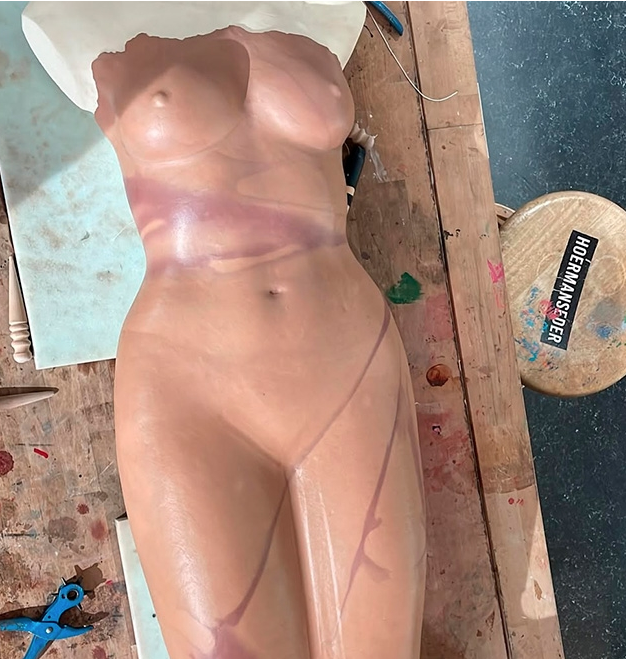
While critics saw a costume, Heidi saw a masterpiece of modern visibility. By leaning into the “baby step” reality and the “liquid” aesthetics, she reinforced her status as an icon who is beyond competition. In a landscape of merely pleasant fashion, Heidi Klum reminds us that the most luxurious thing you can own is the courage to stand up all night just to keep the conversation going.
Heidi Klum Breaks Silence on Controversial Grammys Dress After Fierce Backlash!: Here’s What She Said!