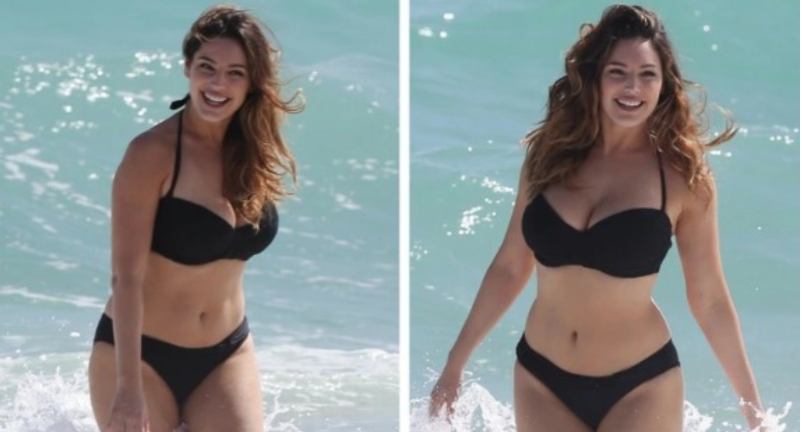
Kelly Brook’s enduring success has helped broaden the conversation around beauty, confidence, and representation in the fashion and entertainment industries. Her public image challenges the narrow idea that attractiveness must conform to one specific body type, showing instead that beauty can be expressed through many different shapes, proportions, and personal styles. Over the years, her confidence and visibility have encouraged audiences to question the restrictive standards that once dominated magazines, advertising, and popular culture. Rather than presenting
herself as an exception to an established rule, Brook represents a more inclusive understanding of beauty—one that values individuality, presence, and self-assurance. Her career demonstrates
that lasting appeal is not created by fitting into a single ideal, but by embracing the qualities that make a person distinctive. This shift matters because public figures can influence how people view themselves and others. When a wider range of bodies is represented with dignity and confidence, beauty becomes less about comparison and more about authenticity. Brook’s continued prominence therefore reflects more than personal success; it points toward a cultural change in which audiences increasingly expect fashion and entertainment to reflect real human diversity. Her example suggests that confidence is strongest when it comes from self-acceptance rather than pressure to satisfy unrealistic expectations. In that sense, her legacy is not simply about appearance, but about helping create more space for individuality, balance, and a healthier definition of what it means to feel beautiful.
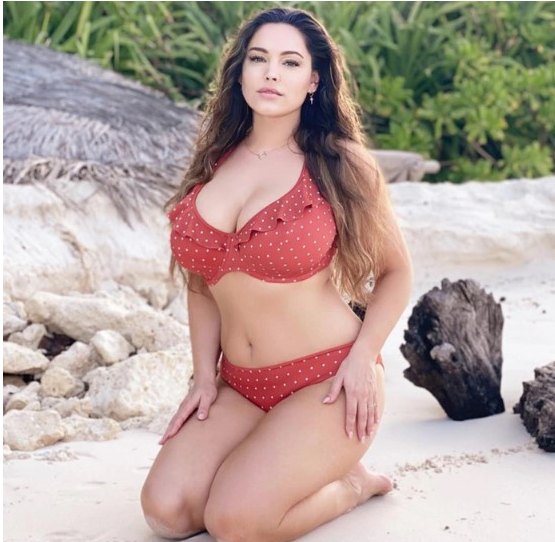
Throughout history, the idea of the “perfect body” has never remained fixed. It has shifted alongside cultural values, fashion trends, media imagery, economic conditions, and changing attitudes toward health and individuality. The celebrated hourglass silhouette has appeared repeatedly across different eras, yet research suggests that perceptions of attractiveness vary considerably between cultures, communities, and demographic groups rather than following one universal formula. In this wider conversation, Kelly Brook’s public presence represents the growing visibility of fuller, curvier body types within fashion and entertainment. Her success challenges the restrictive belief that only one narrow silhouette deserves admiration or representation. However, her
physique should not simply replace an older ideal with a new compulsory standard. The more meaningful change is the increasing recognition that beauty cannot be reduced to measurements, proportions, or a single supposedly scientific template. Studies of body perception also show that exposure to idealized cultural images can influence personal preferences and contribute to dissatisfaction, highlighting the importance of presenting a broader range of bodies with dignity and confidence. Kelly Brook’s enduring appeal therefore reflects changing cultural attitudes toward individuality and self-acceptance. Rather than proving that one figure is perfect, her visibility helps demonstrate that beauty is diverse, subjective, and constantly evolving.
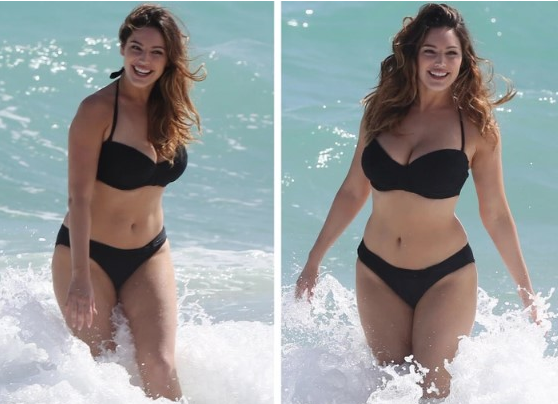
The pursuit of the so-called “perfect” female form has always been complex, subjective, and deeply influenced by culture, media, and changing social expectations. No single body type can represent beauty for every person, nor should women be expected to measure their worth against one narrow and constantly shifting ideal. A healthier understanding begins with recognizing that beauty exists across a wide range of shapes, sizes, ages, backgrounds, and personal styles. Kelly Brook’s public presence can be seen as part of this broader shift, not because her figure should become a new universal standard, but because her confidence and individuality challenge the belief that only one kind of body deserves visibility or admiration. Her example reminds
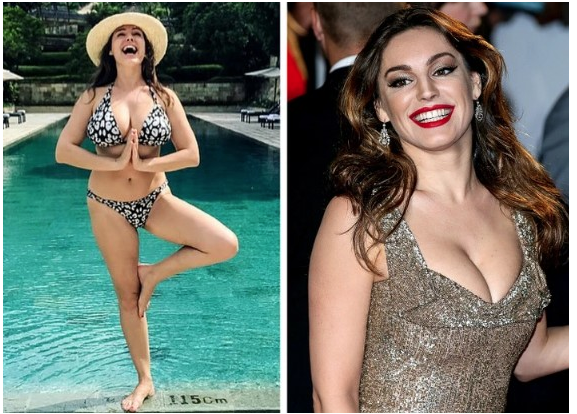
audiences that genuine attractiveness is often connected to self-acceptance, personality, warmth, and the freedom to feel comfortable in one’s own identity. Celebrating diversity does not mean replacing one restrictive ideal with another. It means creating space for women to define beauty on their own terms, without feeling pressured to imitate a celebrity, trend, or digitally altered image. A broader and more compassionate definition of beauty allows confidence to grow from self-respect rather than comparison. Ultimately, women should be encouraged to value their health, character, creativity, and individuality, understanding that their bodies do not need to fit a prescribed template in order to be worthy, expressive, or beautiful.
43-Year-Old Model’s Body Declared ‘Most Perfect’ According to Science!