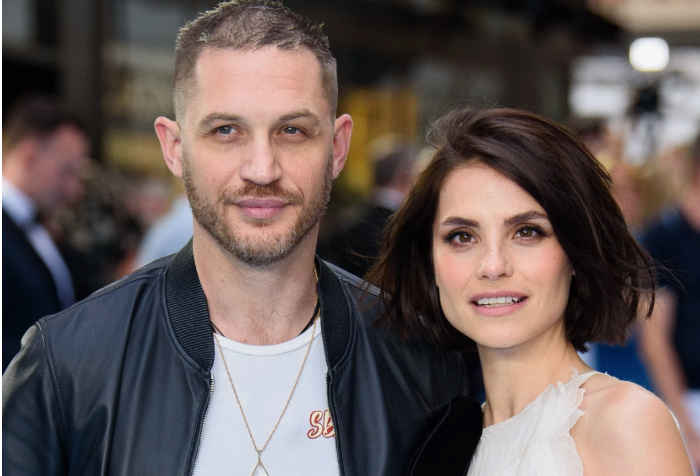
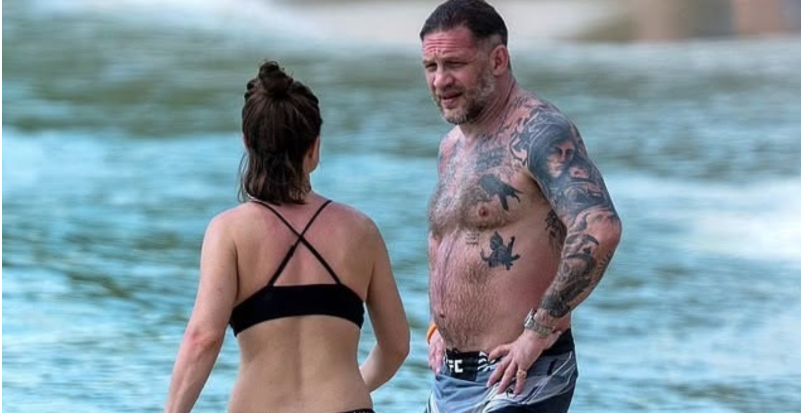
In the shifting amber light of 2026, the Barbados shoreline becomes more than a beautiful setting; it feels like a quiet reminder that real strength is often found in the calm spaces between life’s storms. Moving through the soft Caribbean spray with steady energy and an unmistakable presence, Tom Hardy appears less like someone chasing attention and more like an artist fully at ease with the weight of his own journey. Behind him, the sea rises and falls with a force that mirrors the unpredictable rhythm of an acting industry built on pressure, reinvention, and constant visibility. Yet his presence suggests something slower and more lasting. There is no need for spectacle, no urgent attempt to prove relevance, only the confidence of someone whose work has already spoken across different roles, genres, and stages of a long career. Once defined by the intensity of mythic action characters and physically demanding performances, he now seems to represent a more seasoned kind of resilience. The moment becomes a study in longevity, not simply measured by years in the spotlight, but by the ability to evolve without losing authenticity. Against the restless ocean and fading light, his calm feels deliberate, grounded, and enduring.
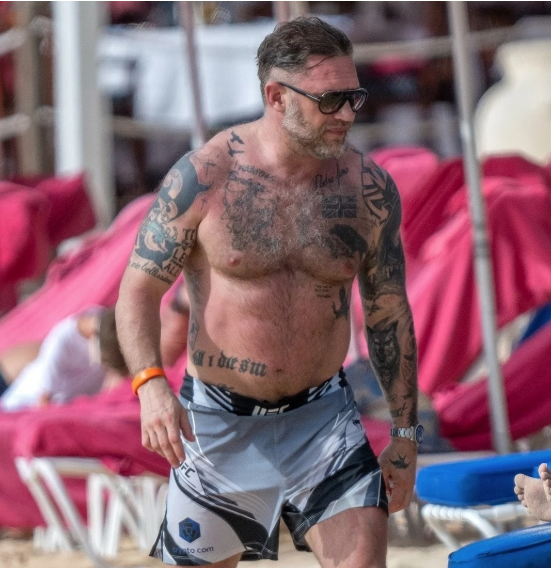
The foundation of this vibrant chapter is built upon a physical vitality that remains impossible to ignore, yet it is his calm sense of self that gives the image its deeper meaning. Moving across the sand with a shirtless ease that reveals the layered textures of his tattooed history, Tom Hardy appears both powerful and completely unguarded. Each mark seems to carry the suggestion of another chapter, another role, another experience absorbed rather than displayed for effect. Yet the true center of this moment is not spectacle. It is the quiet discipline of a man who appears to value personal peace, emotional stability, and a grounded life alongside Charlotte Riley over the hollow flicker of a studio-manufactured persona. In an industry that often rewards constant exposure, his restraint feels almost radical. He does not seem interested in performing an exaggerated version of himself for the cameras. Instead, he allows presence, confidence, and authenticity to speak on his behalf. This unshakeable spirit has become part of his living legacy, proving that a career of such public magnitude is best supported by a private foundation that remains strong when attention becomes overwhelming. Even under the gaze of the world, he carries himself with profound poise. His strength is not defined only by physical endurance or cinematic intensity, but by the ability to remain vital without becoming consumed by visibility. In that balance between openness and privacy, ambition and peace, he presents a lasting image of resilience shaped by discipline, loyalty, and self-knowledge.

His recent work in MobLand offers a compelling mirror to this inner life, creating a powerful connection between his role as the fixer Harry Da Souza and the values he appears to carry beyond the screen. Through the character, Tom Hardy quietly rewrites the familiar language of the crime drama, grounding its violence, tension, and rivalries in something far more personal: the instinct to protect family at any cost. What could have been a conventional story of warring empires becomes, in his hands, a study of loyalty, consequence, and sophisticated maturity. Harry is not defined only by force or intimidation, but by the restraint, intelligence, and emotional weight behind every decision he makes. Hardy brings a measured intensity to the role, allowing silence, posture, and controlled emotion to communicate as much as dialogue. This ability to give a high-stakes script a sense of quiet gravity is where his theatrical excellence truly shines. He makes the character feel dangerous without reducing him to spectacle, and vulnerable without weakening his authority. In doing so, he suggests that real power is not simply the ability to dominate a room, but the discipline to understand what is worth defending. The role also reflects a broader truth about navigating a global career: lasting success comes from ensuring that public work remains connected to private conviction. Hardy’s performance feels strongest when it reflects that deep, unshakeable commitment to one’s inner circle, proving that loyalty can be both a character’s greatest strength and the emotional foundation of an enduring career.
The fatherhood transition is perhaps his most successful pivot, a move from the sophisticated roles of his youth to the grounded realities of being a doting dad. He has skillfully exploited the structural mechanics of his public life to prioritize this heartfelt connection, proving that the grit and courage to step away from the noise is the ultimate sign of a seasoned artist. This unshakeable commitment to his own narrative is a masterclass in adaptation, showing that the most enduring stars are those who can navigate the complex textures of fame without losing the refined sense of purpose that comes from home. He carries his history with a poise that reflects a man who has finally found his fixed center.
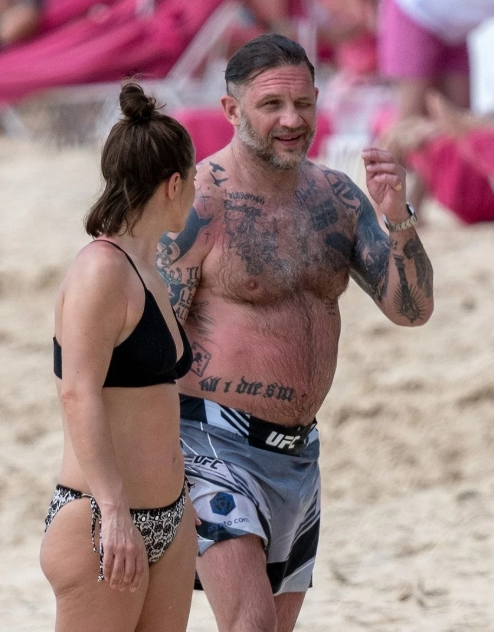
As we look at Tom Hardy under the 2026 Caribbean sun, he stands as a powerhouse testament to those who value discipline and grace across every decade of life. He is honored today for the theatrical excellence of his past and for the refined and heartfelt way he carries his history into this seasoned chapter. He didn’t just inhabit mythic roles or dominate the global stage; he built a storied life that remains inviting because it is so fiercely connected to his own values of resilience and heart. He continues to lead with an unshakeable sense of purpose, proving his living legacy is a timeless reminder that the most enduring stars lead with heart.