A photograph of Mark Harmon and Pam Dawber can feel like opening an old television magazine from another familiar era. The couple married on March 21, 1987, and celebrated their thirty ninth wedding anniversary in March 2026 with little fanfare. That quiet approach suits two performers who became household names, yet spent decades keeping most family life beyond Hollywood’s glare. Harmon became beloved as Leroy Jethro Gibbs on NCIS, while Dawber remains associated with Mindy McConnell on Mork and Mindy. Their careers made them recognizable across generations, but their marriage developed largely away from the publicity machine surrounding many couples. The image feels warm because it captures not a manufactured romance, but two people whose shared history stretches four decades. For viewers who remember both stars at their television peaks, seeing them together naturally carries a strong current of nostalgia. Yet the most interesting part of their story is not rarity itself, but the consistency behind a remarkably private partnership. Their public photographs span premieres, award ceremonies, family milestones, and occasional everyday outings, offering brief glimpses rather than constant access. That balance has become part of their appeal, especially in an age when celebrity relationships are documented hour by hour.
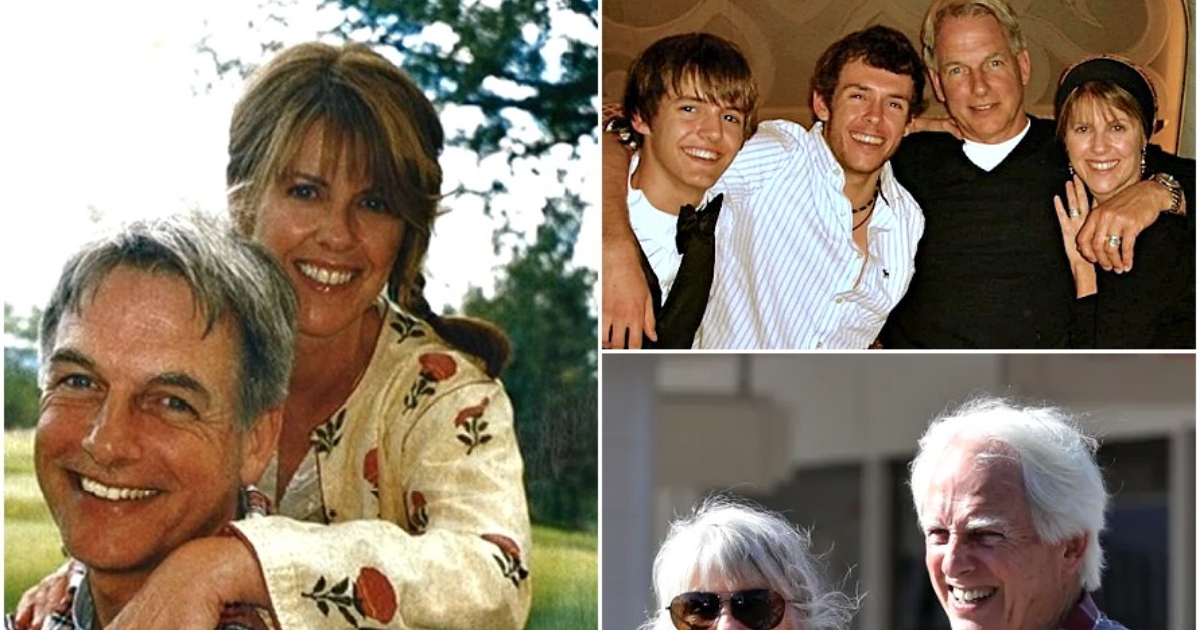
Pam Dawber was already a television favorite before marriage, thanks to the success of Mork and Mindy beginning in 1978. Opposite Robin Williams, she played grounded Mindy McConnell, giving the fantastical comedy a human center audiences could recognize each week. The series arrived when network television could turn a successful character into a familiar presence inside millions of American homes. Dawber later starred in My Sister Sam, another popular sitcom, before gradually choosing fewer roles as family responsibilities became important. She and Harmon welcomed son Sean in 1988 and son Ty in 1992, building a household both parents guarded carefully. Dawber never entirely abandoned acting, but her screen appearances became selective, reflecting priorities she discussed openly during interviews about family. For many viewers, her career became part of her story, though it should not eclipse performances that made her famous. Her 2021 NCIS return created rare professional overlap, placing Dawber beside Harmon during a late chapter of his long run. She portrayed investigative journalist Marcie Warren, proving that stepping back from regular work had never erased her easy television presence. For longtime fans, the appearance felt less like a comeback than a pleasant reunion with a performer they remembered fondly.
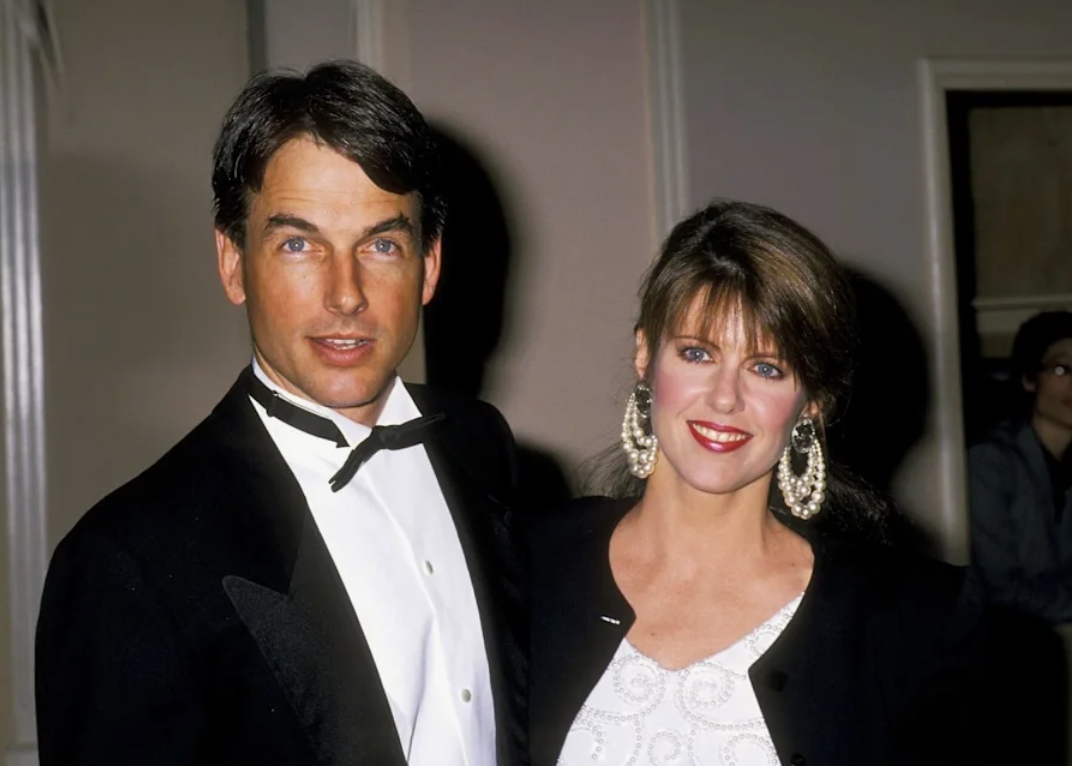
Mark Harmon followed a path into acting, arriving after college football, business work, and the influence of an entertainment family. He played quarterback at UCLA before building an acting career through television roles that eventually made his calm intensity unmistakable. St. Elsewhere brought major attention, while The Deliberate Stranger demonstrated his ability to inhabit a far darker dramatic role convincingly. By the mid eighties, Harmon had become a leading man, even receiving People magazine’s Sexiest Man Alive honor in 1986. His later credits included Chicago Hope, The West Wing, and movies, but NCIS became his defining television achievement for audiences. Beginning in 2003, Harmon played Leroy Jethro Gibbs with quiet authority, dry humor, and an old fashioned sense of discipline. He remained a regular for eighteen seasons, officially stepping away from the weekly role during the nineteenth season in 2021. The part connected Harmon with viewers who often valued Gibbs’s steadiness, loyalty, woodworking habits, and preference for actions over speeches. That persona fit Harmon’s understated public image so neatly that fans sometimes blurred the character and actor in affectionate memory. Still, his career before Gibbs matters, revealing a performer whose television history stretches across several distinct generations of American storytelling.
Harmon and Dawber met through a mutual friend, and their relationship developed privately before their wedding ceremony in March 1987. Their marriage became unusual by Hollywood standards, not because it was perfect, but because both partners consistently protected its boundaries. They welcomed Sean in 1988 and Ty in 1992, then raised both sons largely outside the machinery of celebrity publicity. Sean entered entertainment, acting as a younger Gibbs on NCIS before helping develop the prequel series NCIS Origins with family. CBS credits Sean as a developer and executive producer, alongside his father, making the project a genuine professional family collaboration. Ty has also worked behind the scenes as a screenwriter and visual effects artist, pursuing a creative path outside publicity. Harmon has spoken with pride about both sons, emphasizing their work ethic and choices rather than any inherited celebrity status. That attitude echoes the couple’s broader approach, where professional success remained important but never became the family’s only defining measure. Their public record suggests careful boundaries, occasional shared appearances, and a preference for letting work speak louder than private disclosure. For many admirers, that restraint has made the few family photographs feel more meaningful, because they never seemed endlessly available.
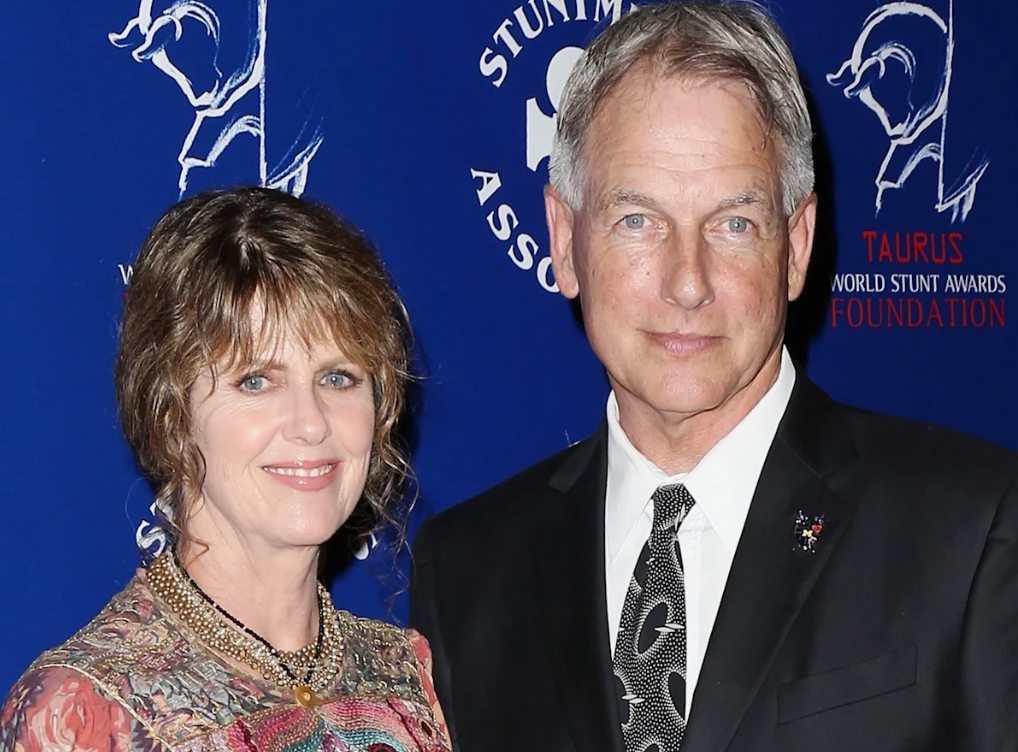
Dawber’s 2021 NCIS appearances became memorable because she and Harmon had rarely shared television scenes during their marriage before then. She played investigative reporter Marcie Warren across several episodes, creating a curiosity among viewers familiar with their real life partnership. The casting avoided turning their characters into a romance, allowing the pleasure to come from seeing two performers work together. Soon afterward, Harmon reduced his regular NCIS presence, but he never severed his connection with the franchise he helped define. He became narrator and executive producer of NCIS Origins, which follows a younger Gibbs beginning his investigative career during 1991. Sean Harmon helped develop the prequel and serves as executive producer, extending the family’s connection to Gibbs beyond one generation. By August 2026, CBS announced Harmon would appear throughout Origins’ third season in a present day storyline across every episode. The role brings an older Gibbs back onscreen while Austin Stowell continues portraying the character during his early professional years. For viewers who watched Harmon leave NCIS in 2021, the return adds another unexpected chapter to a durable television legacy. It also shows that stepping away from one demanding schedule did not mean abandoning the character or creative world entirely.
Looking back, the appeal of Harmon and Dawber may be how little they have tried to manufacture a public mythology. Their careers were highly visible, but the marriage itself usually appeared only in occasional interviews, ceremonies, photographs, or family milestones. That separation feels almost old fashioned now, recalling a period when actors could still keep large parts of life private. The photographs collected around their story therefore work less as revelations and more as markers placed across a long timeline. One image recalls early fame, another shows parenthood, and another captures the comfortable familiarity of two people growing older together. None proves a perfect marriage, because photographs cannot do that, but together they document remarkable continuity through changing professional seasons. For older American viewers, the nostalgia is doubled because both stars belong to television eras remembered with unusual affection today. Mork and Mindy evokes the late seventies, while NCIS recalls decades of CBS evenings anchored by Gibbs and his team. Between those memories stands a marriage that began in 1987 and reached thirty nine years in March 2026 without spectacle. Perhaps that durability explains why a simple photograph of Mark Harmon and Pam Dawber can still feel genuinely special today.
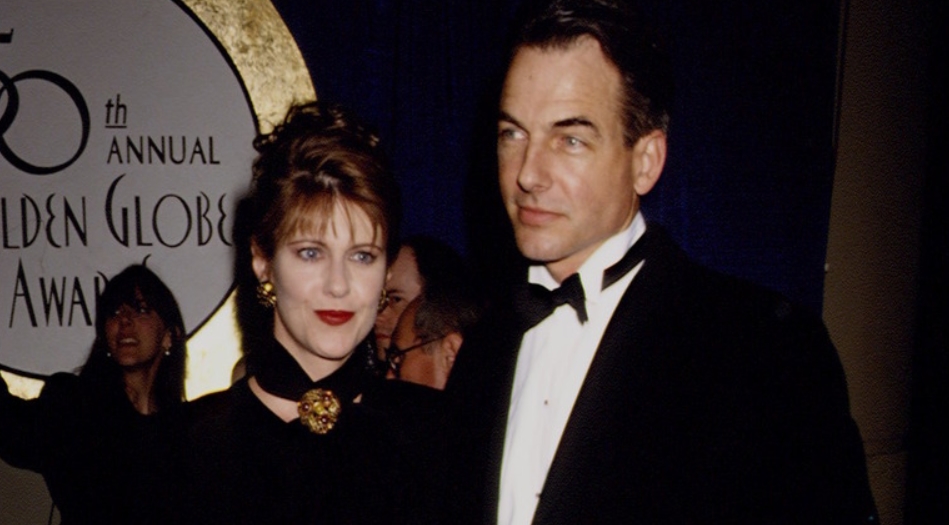
Some love stories do not end when one partner is gone. For many beloved Hollywood stars, losing the person they loved most changed everything. Rather than beginning again with someone new, they chose to remain unmarried, carrying memories, devotion, and quiet grief through the remaining years of their lives.
In this emotional Then & Now 2026 tribute, we revisit 50 Hollywood actors, actresses, television legends, and entertainers who never remarried after losing their greatest love. Some shared marriages lasting more than 40 or 50 years. Others lost longtime partners they could never replace, while several devoted themselves to children, family, work, charity, or preserving the memory of the person who had stood beside them.
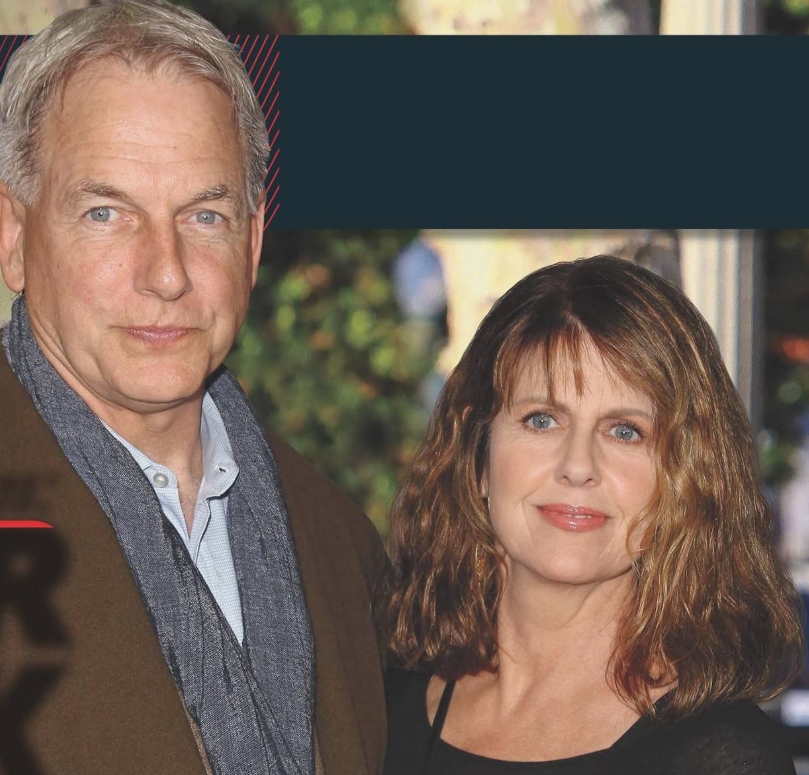
The video includes moving stories connected to Betty White and Allen Ludden, James Stewart and Gloria Hatrick McLean, Mel Brooks and Anne Bancroft, Joanne Woodward and Paul Newman, John Travolta and Kelly Preston, Liam Neeson and Natasha Richardson, Sophia Loren and Carlo Ponti, Angela Lansbury and Peter Shaw, Martin Short and Nancy Dolman, Rick Moranis and Ann Belsky, and many more.
Their journeys remind us that love can continue through memory, loyalty, family, and the life two people built together. Watch until the end and tell us which Hollywood love story touched your heart the most.
►Disclosure (Golden Flame Stars):
This video is produced in a documentary and educational format. The narration voice is generated using AI technology for storytelling purposes. Some archival images, including thumbnails, may be digitally restored or enhanced using AI to improve clarity and visual quality, while preserving historical accuracy and original context. No facts, identities, or events are intentionally altered or misrepresented. This content is created to provide a respectful and enjoyable viewing experience.
50 Beloved Hollywood Stars Who Never Remarried After Losing Their Greatest Love | Then & Now 2026